
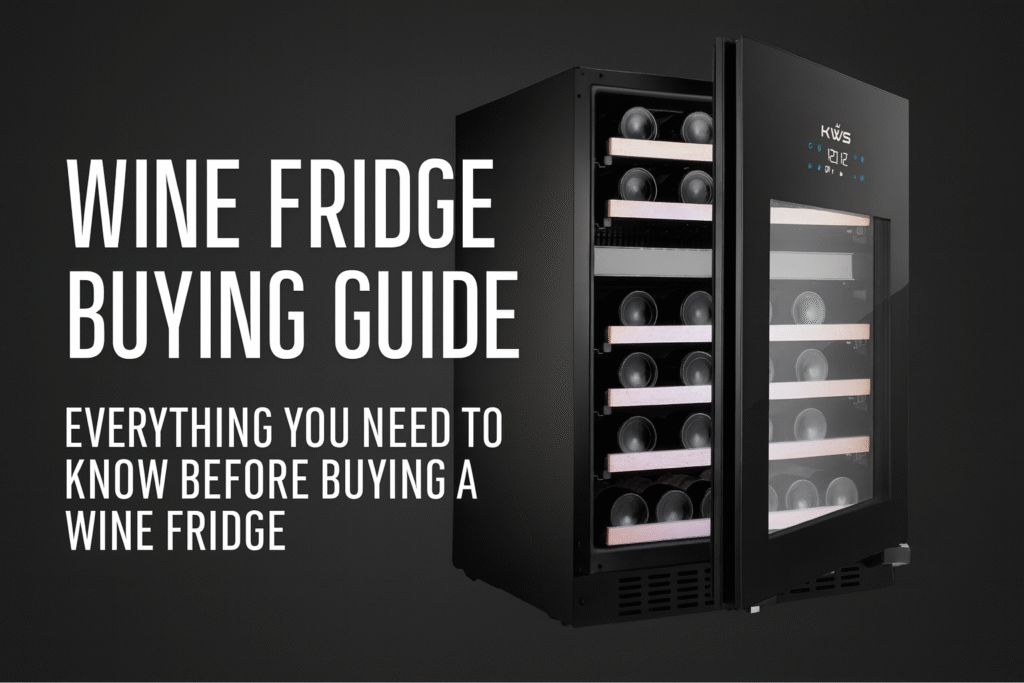
Whether you’re a seasoned collector or just beginning your wine journey, proper storage is key to preserving the flavor, aroma, and integrity of every bottle. At KitchenWare Station, we understand that wine is more than just a drink—it’s an experience. That’s why we’ve created this comprehensive wine fridge buying guide to help you choose the perfect wine cooler for your needs.
From capacity and temperature zones to design and installation tips, we’ll walk you through all the essential factors to consider before making your purchase. Whether you’re outfitting your home kitchen, bar area, or wine cellar, this guide will ensure your investment in wine storage is smart, stylish, and tailored to your lifestyle.
Let’s dive in and find the wine fridge that fits you perfectly.
Why You Need a Wine Fridge?
Wine is sensitive to temperature, light, humidity, and vibration. A dedicated wine fridge helps create a stable environment to protect your bottles from spoilage or premature aging. Compared to storing wine in a standard refrigerator, a wine refrigerator offers:
- Consistent temperature control
- Protection from vibration and UV light
- Proper humidity levels to prevent cork drying
- Storage flexibility for reds, whites, and sparkling wines
While it may seem convenient to store wine in a standard kitchen fridge, regular refrigerators are not designed to protect wine long-term. A traditional fridge keeps food very cold—typically around 35–38°F—which is far too low for proper wine storage. These low temperatures can dull flavors, slow maturation, and even damage corks. Kitchen fridges also remove humidity to prevent frost, which can dry out corks and allow air to seep into the bottle, leading to oxidation.
For anyone who wants to maintain wine quality, protect their collection, or store bottles long-term, a dedicated wine fridge provides the stability and care that a standard refrigerator simply cannot offer.
Types of Wine Fridges
Before choosing a model, determine which type of wine fridge fits your space and usage needs:

Single Zone Wine Fridge:
A single-zone wine fridge maintains one uniform temperature throughout the entire interior, making it a simple and reliable option for storing a specific type of wine—most commonly reds. Its straightforward design works well for those with consistent preferences or smaller collections. However, because all bottles share the same climate setting, it may offer less flexibility for wine drinkers who enjoy a range of varieties that benefit from different temperature conditions.

Dual Zone Wine Fridge:
A dual-zone wine fridge uses two separate temperature-controlled compartments to accommodate different wine styles within the same unit. Each zone can be adjusted independently, making it easier to keep bottles stored or served at their preferred temperatures. This setup is especially practical for wine drinkers whose preferences shift between varieties, or for households where more than one type of wine is enjoyed regularly. The added flexibility simply makes it easier to maintain consistency without needing multiple storage solutions.
So…Single Zone vs. Dual Zone Wine Fridges: Which One Is Right for You?
The main difference between single-zone and dual-zone wine fridges is temperature flexibility. Single-zone units keep all bottles at one consistent setting, which works well for storing a single wine style. Dual-zone wine fridges offer independently controlled compartments, making them ideal for collections that include both reds and whites. Choosing the right type depends on your wine preferences, storage goals, and how much versatility you need.
Wine Fridge Features to Look For
When comparing wine fridges, paying attention to design details and functional features can make a significant difference in performance and ease of use. Here are some important features to consider:
✅ LED Lighting: Soft LED lighting illuminates your collection without generating heat, helping you view labels clearly while protecting wine from harmful light exposure.
✅ Locking Cabinet: A built-in lock adds security, especially in shared spaces or busy households, ensuring your collection stays protected.
✅ Low Noise and Vibration: A quality wine fridge minimizes vibration and operates quietly, preserving the integrity of the wine while keeping your home environment comfortable.
✅ Full-Extension Slide Rails: Fully pull-out shelves or slide rails allow easier access to bottles stored in the back, reducing the need to rearrange your collection and limiting movement that could disturb aging wine.
✅ Front Ventilation: Front-venting designs allow the unit to be built into cabinetry while maintaining proper airflow, making installation more versatile and aesthetically seamless.
✅ Wood Shelves vs. Metal Shelves: Wooden shelves help absorb vibration and provide a stable surface for bottles. In contrast, cheaper metal shelves may rattle, flex under weight, and scratch labels—an important consideration for long-term storage.
✅ Hidden Handlebar: A recessed or hidden handlebar offers a sleek, modern look while preventing snags and maintaining a clean, uninterrupted front design.
These features work together to create a wine fridge that not only looks elegant but also supports optimal storage conditions and convenient everyday use.
Certifications
When choosing a wine fridge, certifications can provide reassurance about safety, performance, and energy efficiency.

TÜV SÜD certification: TÜV SÜD certification for the U.S. and Canada confirms that a wine fridge meets strict North American safety and performance standards. This independent testing ensures the appliance is built with reliable components, operates safely for continuous use, and complies with regional electrical requirements. It’s a trusted indicator of quality and long-term dependability.

DOE (Department of Energy): DOE compliance confirms that the appliance meets federal energy efficiency regulations. This means the wine fridge is designed to operate efficiently, consume less electricity, and maintain consistent cooling performance—an essential factor for appliances that run 24/7.

UL Energy Verified: While not all meat slicers require FDA approval, ensuring FDA compliance is crucial for equipment that comes into direct contact with food. This certification guarantees that the slicer meets U.S. federal regulations, safeguarding both the health of your customers and the reputation of your business.
Wine Serving Temperature Guide
Enjoying wine at the right temperature unlocks its full potential—highlighting its aroma, structure, and flavor. Use this guide to serve every bottle at its best.
| Wine Type | Ideal Temp | Why It Matters | Serving Tips & Examples |
| Full-Bodied & Aged Reds | 59–64°F (15–18°C) | Warmer temps soften tannins and reveal deeper, aged notes. | Decant 1–2 hours before serving. Examples: Cabernet Sauvignon, Syrah, Bordeaux |
| Medium-Bodied Reds | ~55°F (13°C) | Cooler temps retain structure and balance fruitiness with acidity. | Serve slightly cooler than room temp. Examples: Merlot, Sangiovese, Zinfandel |
| Heavy Whites & Light Reds | 50–55°F (10–13°C) | Brings out texture in bold whites and keeps light reds crisp. | Chill for ~1 hour before serving. Examples: Oaked Chardonnay, Pinot Noir |
| Light Whites & Rosé Wines | 45–50°F (7–10°C) | Cooler temps preserve freshness, floral notes, and bright fruit. | Chill in fridge for 2 hours. Examples: Sauvignon Blanc, Pinot Grigio, Rosé |
| Champagne & Sparkling Wines | 45–50°F (6–10°C) | Maintains fine bubbles and vibrant aromas. | Use a flute glass. Chill for 3+ hours. Examples: Champagne, Cava, Prosecco |
| Dry Sherry, Madeira, Sweet Whites | 43–47°F (6–8°C) | Emphasizes acidity and refreshing character. | Serve chilled in a small glass. Examples: Dry Sherry, Sauternes, Riesling |
| Tawny Ports & Sweet Sherries | 54–61°F (12–16°C) | Best enjoyed at cellar temp to enhance the bouquet and complexity. | Try slightly chilled to see what suits your taste. Examples: Tawny Port, Cream Sherry |
| Sweet Madeiras & Vintage Ports | 64–68°F (18–20°C) | Room temperature brings out the full spectrum of flavors and aromas. | Open bottle 24 hrs in advance. Examples: Bual Madeira, Vintage Port |
📌 Pro Tip:
- Storage temp ≠ serving temp. Store wines slightly below their serving temp in your wine fridge, then allow reds to warm or chill whites briefly before pouring.
- Use a dual-zone wine fridge (like the KWS WF‑46DS) to set different temps for red and white wines in one unit.
Brand Reputation and Warranty

A reputable brand and a solid warranty offer peace of mind. Research brands with a reputation for producing high-quality wine fridge known for their performance and durability. Check the warranty period offered by the manufacturer and spare part availability to ensure long-term reliability and customer support.
Choosing the right wine fridge ultimately comes down to understanding your collection, your space, and the features that matter most to you. Whether you’re just beginning to explore wine storage or expanding a growing selection, the right unit will protect your bottles, enhance flavor, and elevate your overall wine experience. With thoughtful features, reliable cooling performance, and flexible design options, a well-chosen wine fridge becomes a long-term investment in enjoying every pour at its best. Take your time, compare the options, and select a model that aligns with your lifestyle—your future self (and your wine) will thank you.
To learn more about our wine fridge options and find the best model for your storage needs, contact our team today. We’ll help you compare features, understand temperature requirements, and choose a wine fridge that fits your space and collection. Whether you’re upgrading your home, restaurant, or tasting room, we’re here to guide you toward the ideal solution for long-lasting wine preservation.